
Optimal Timing for Tree Removals
Tree removals are most effective during specific times of the year to minimize impact on the landscape and ensure safety. The optimal period typically falls during late winter to early spring when trees are dormant. This timing reduces stress on remaining vegetation and allows for easier access and handling of the tree material.
Late winter offers the best conditions for tree removal because trees are not actively growing, reducing sap flow and minimizing damage to surrounding plants.
Dry, cool weather during late winter decreases the risk of soil compaction and equipment mishaps, making the process safer and more efficient.
Removing hazardous trees before the onset of dry seasons helps prevent fire hazards, especially in areas prone to wildfires.
Performing removals in the off-peak seasons reduces disruption to local landscapes and minimizes interference with outdoor activities.
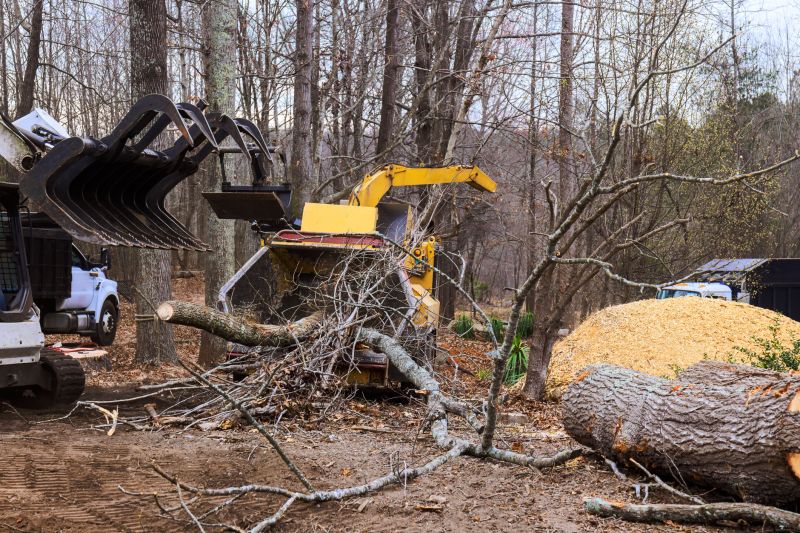
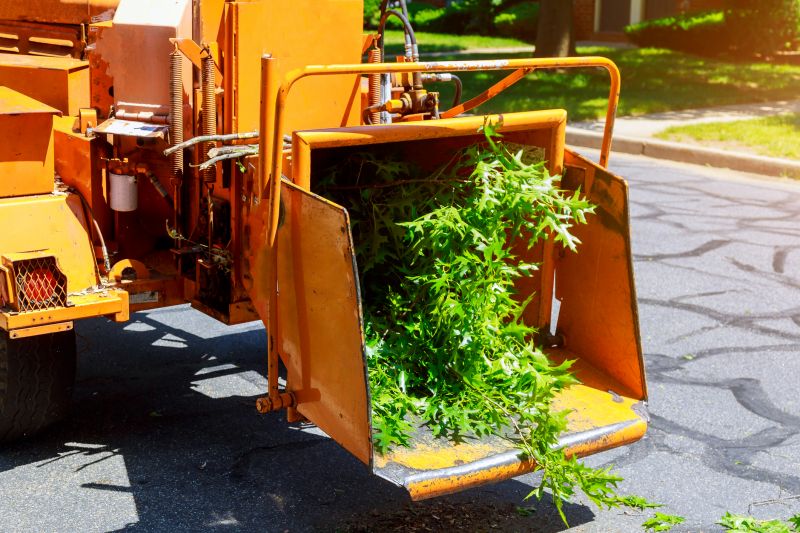
Specialized machinery used during winter months for efficient tree removal.
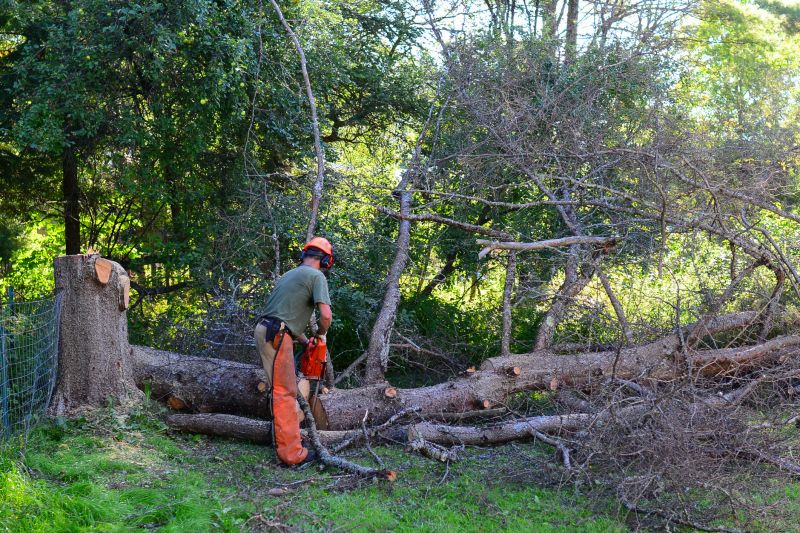
Trees in dormancy with minimal sap flow, ideal for removal.
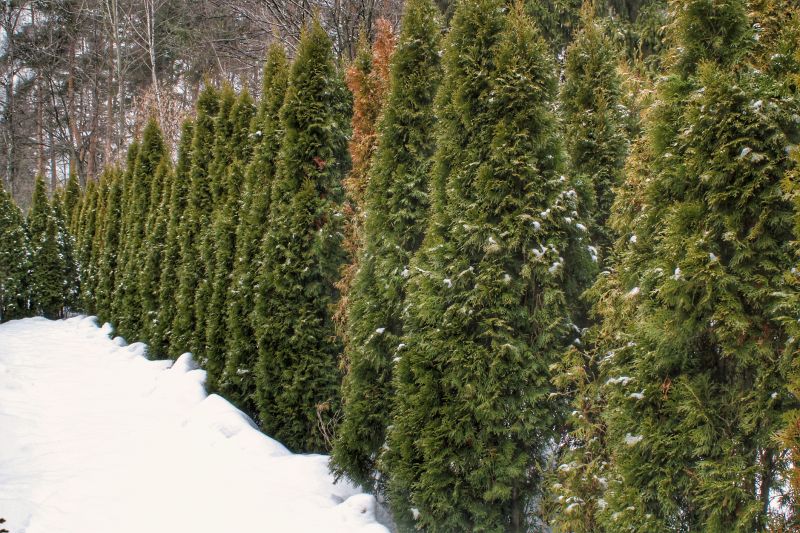
A landscape showing trees before winter removal.
Ways to make Tree Removals work in tight or awkward layouts.
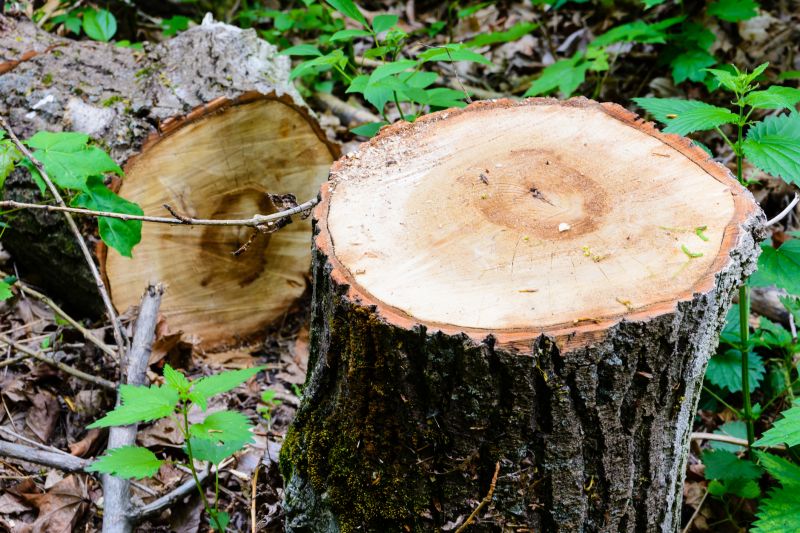
Popular materials for Tree Removals and why they hold up over time.
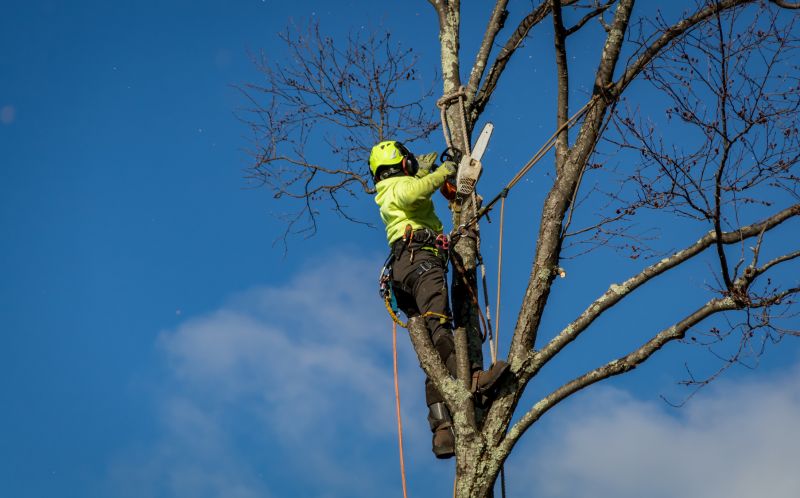
Simple add-ons that improve Tree Removals without blowing the budget.
| Season | Best Practices |
|---|---|
| Late Winter | Ideal for safety and minimal disruption. |
| Early Spring | Suitable if trees are still dormant. |
| Summer | Less preferred due to active growth and heat stress. |
| Fall | Possible but less optimal due to leaf fall and weather. |
Tree removals involve the careful cutting and removal of hazardous or unwanted trees from a property. This process requires precise planning and execution to prevent damage to surrounding structures and landscape. Proper timing enhances safety, reduces environmental impact, and promotes healthy regrowth for remaining vegetation. Statistics indicate that performing removals during dormancy can decrease recovery time by up to 30 percent, leading to healthier landscape outcomes.
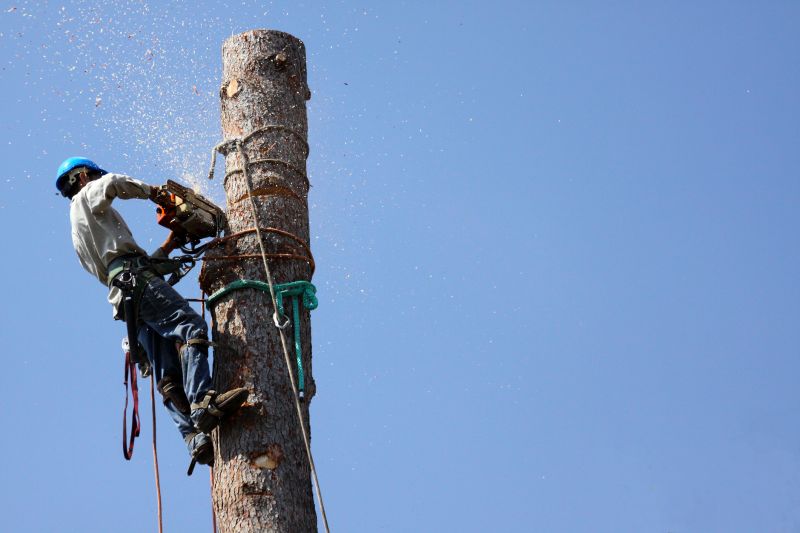
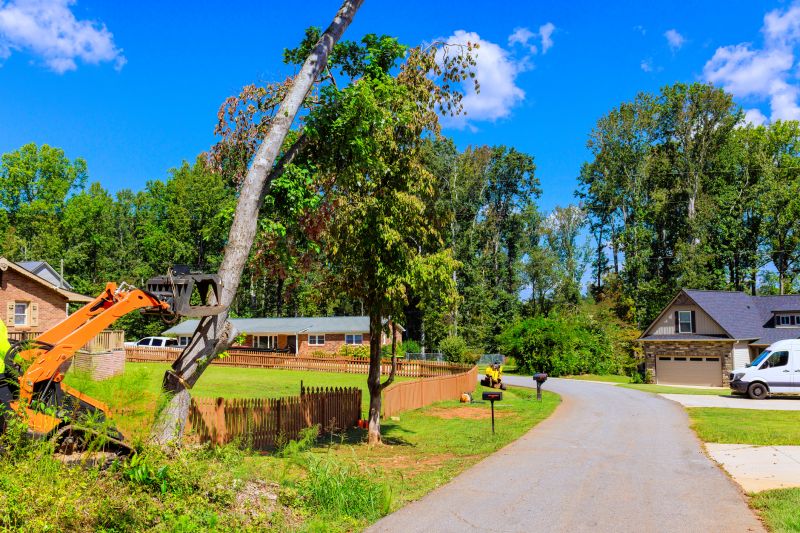
A tree being safely removed during winter.
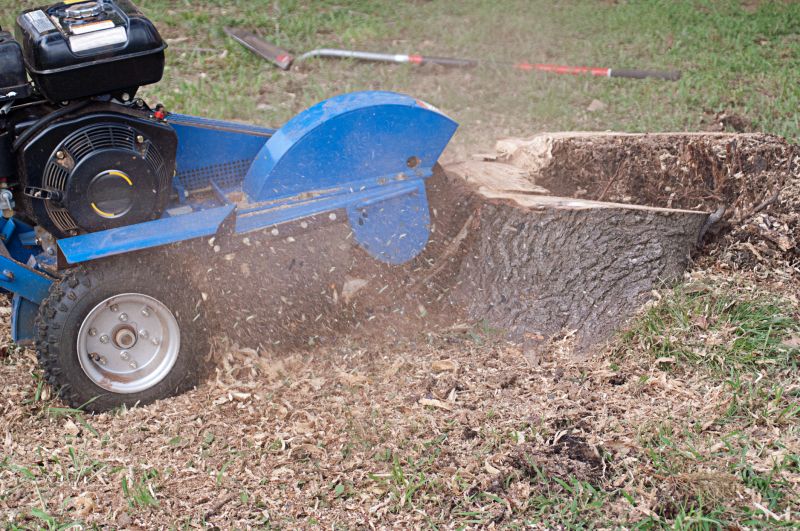
Post-removal stump grinding process.
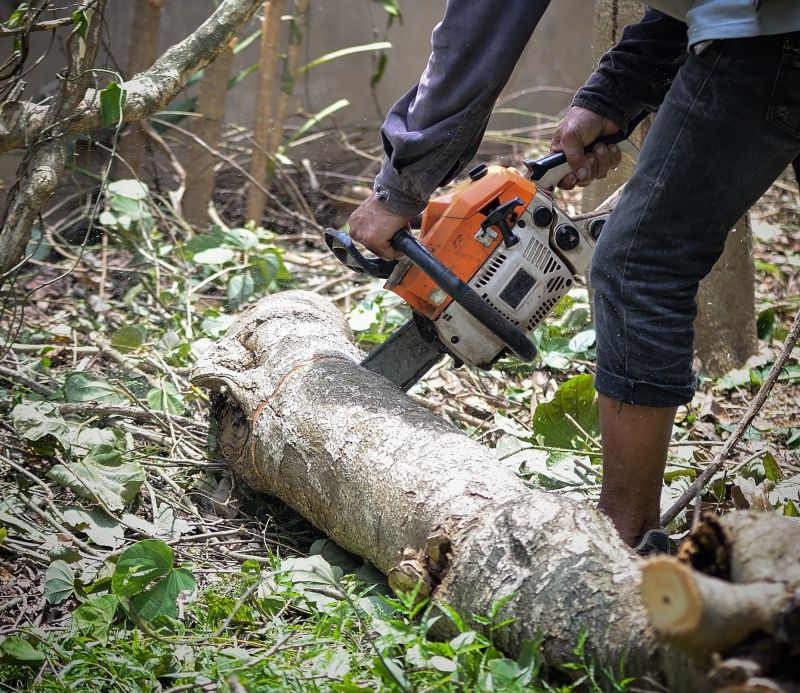
Preparation for tree removal operation.
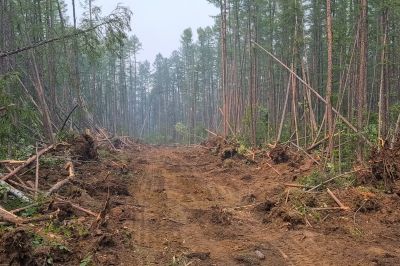
Site after tree removal, ready for landscaping.
High-end options that actually feel worth it for Tree Removals.
Finishes and colors that play nicely with Tree Removals.

Little measurements that prevent headaches on Tree Removals day.
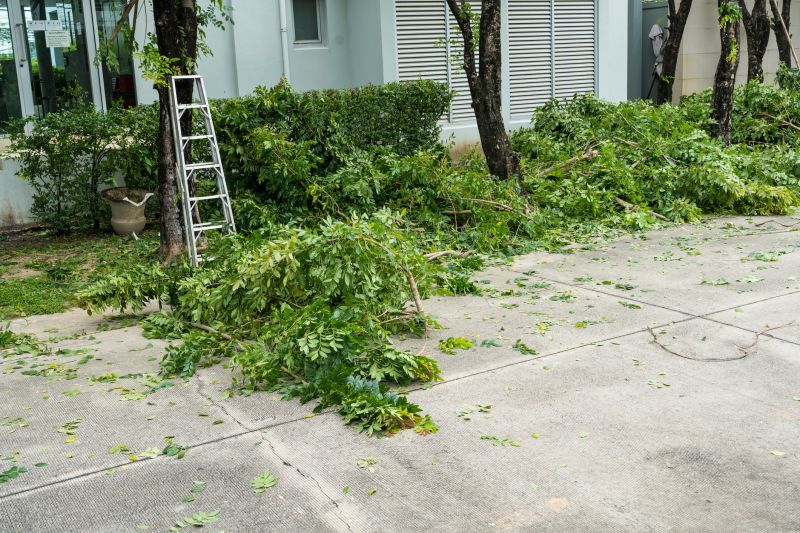
A 60-second routine that keeps Tree Removals looking new.
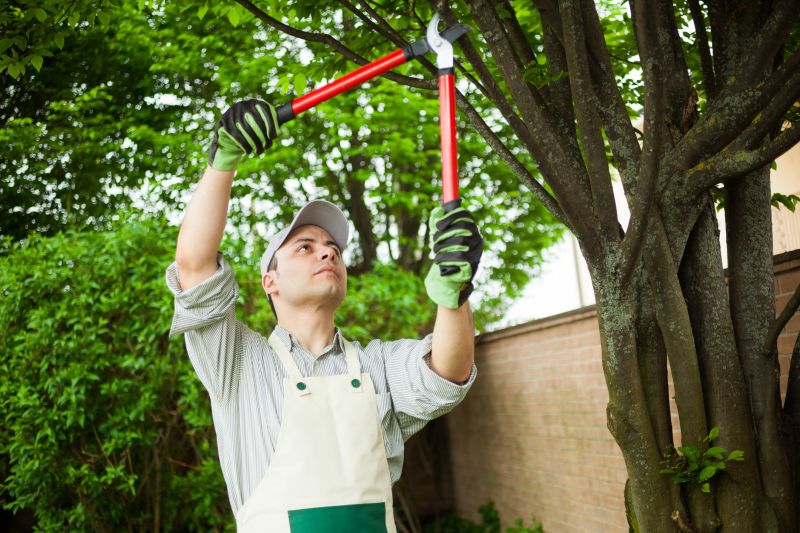
A frequent mistake in Tree Removals and how to dodge it.
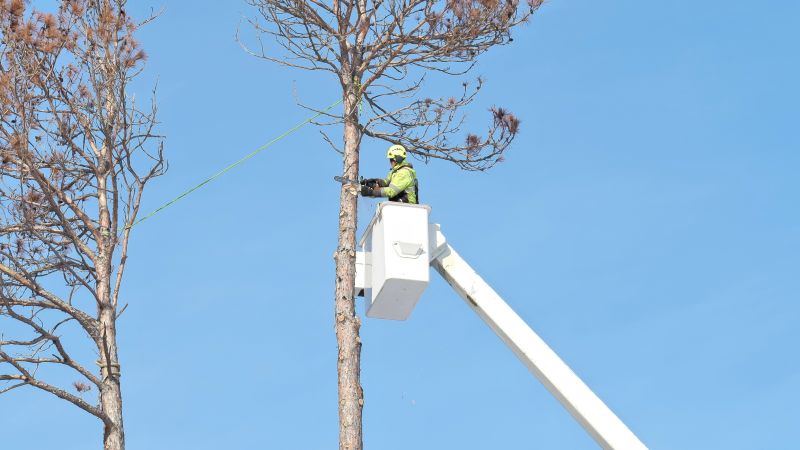
Small tweaks to make Tree Removals safer and easier to use.
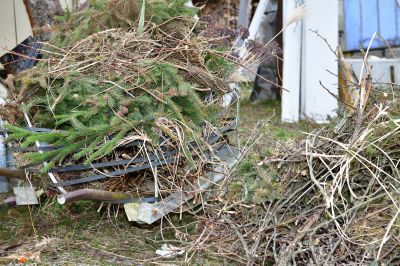
Lower-waste or water-saving choices for Tree Removals.
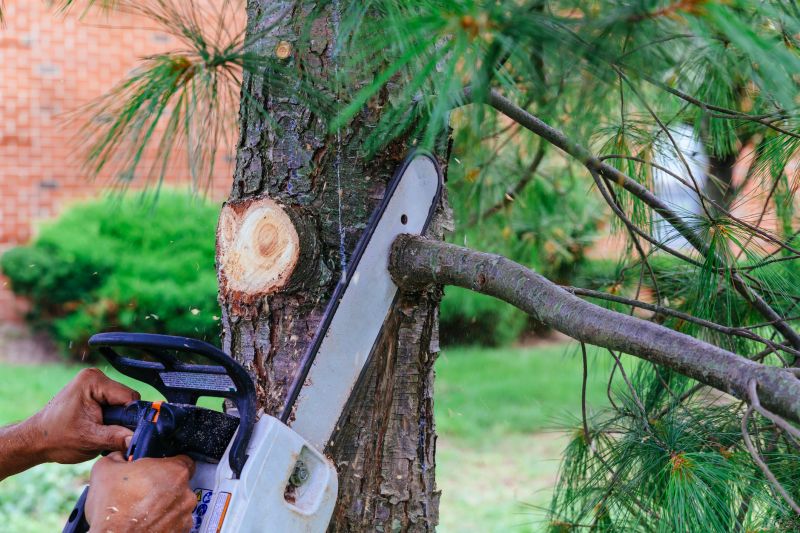
The short, realistic tool list for quality Tree Removals.
Interested in scheduling a tree removal? Filling out the contact form provides a convenient way to receive more information and arrange for professional services. Proper timing and execution are essential for maintaining landscape safety and health.